Adi Mudra
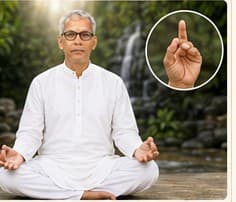
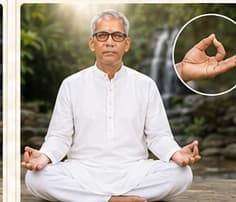
The thumb is placed at the base of the ring finger and the other fingers close over it, making a soft fist. Held during pranayama, it deepens the breath into the upper lobes of the lungs and quietens the nervous system markedly.
Meaning of the name
The first seal. Ādi means primordial — this is the shape a newborn's hand makes, thumb enclosed, before it has learned to reach for anything.
How to practise
- 1
Place the tip of the thumb at the base of the ring finger, on the palm.
- 2
Close the four fingers gently over the thumb to make a loose fist — no gripping.
- 3
Rest both fists on the thighs, palms downward.
- 4
Breathe slowly, and notice the breath filling the upper chest and the collarbones rather than only the belly.
- 5
Practise for ten minutes before sleep, or alongside any calming pranayama.
Benefits
- Deepens breathing into the upper lobes of the lungs, which are otherwise rarely used
- Calms the nervous system quickly; classically used to reduce snoring
- Lowers blood pressure and slows the pulse
- Relieves tension in the throat, neck and jaw
- Improves the sense of smell and the quality of sleep
What happens in the nervous system
Enclosing the thumb removes it from the sensory field, and the resulting shape is the one the hand adopts under deep relaxation and in sleep. Whether the body reads the posture as a cue for rest, or the posture simply reflects rest, the effect on measured heart rate is the same and appears within a few minutes.
Related practices

KSN Murty Yoga Center